
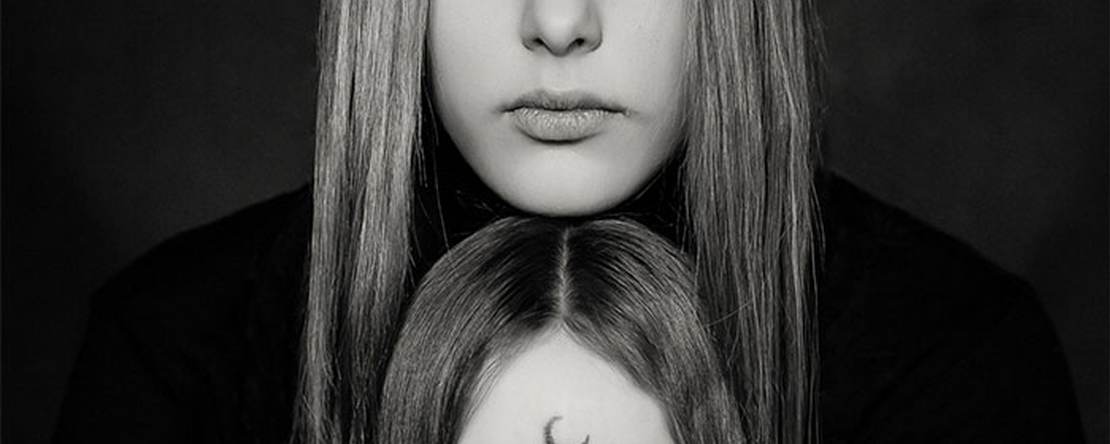
A child's horoscope is prepared from their birth time and place. Parents typically ask for it after birth, for a naming ceremony, or when making decisions about education and upbringing.
Who it is for
Parents and guardians of newborns and children.
What the consultation covers
- Janma nakshatra and Moon sign, and the traditional naming syllables linked to them
- Temperament and strengths: how the child learns and responds
- General themes for early life, education and social development
- Dasha at birth and in the coming years
- Presence of any dosha, explained without alarm
How we frame it
We do not label a child. We speak about tendencies and encourage observing the child for who they are. We do not predict illness, accidents or lifespan.
Naming
Many families choose the first letter of the name from the nakshatra. We can suggest letters and discuss the family's preferences. A dedicated baby naming page will follow later.
What to provide
The child's date, time and place of birth from the birth record. In Mumbai and Thane, hospital records often have the exact time.
Limitations
No astrologer can predict a child's future, health or exam results. If you have health or developmental concerns, please consult a paediatrician.
The first weeks after a baby arrives are full of questions, and many families in Mumbai and Thane find themselves wondering about the child's horoscope alongside the feeding schedule and the naming ceremony. A child horoscope, sometimes called a newborn kundli or janam kundli, is a birth chart drawn from the exact date, time and place of birth. Grandparents often ask for one, and many parents want a calm, sensible reading rather than a list of warnings.
At Sansthaan, we treat a child's chart as a gentle starting point for reflection, never as a verdict. We speak about tendencies, strengths and the way a child may like to learn and respond, and we encourage you to watch your own child for who they truly are. Consultations are held online, by phone or video, in English, Hindi or Marathi, so a new parent can join from home without travelling anywhere.
What a Child Horoscope Is and When Families Ask for One
A child horoscope is the same kind of birth chart used for adults, calculated for the moment the baby was born. It shows the position of the nine grahas, the rising sign, the Moon sign and the nakshatra, and from these the Vedic tradition draws a general picture of temperament and life themes. Because a newborn has no history yet, the reading is naturally broad and softly worded.
Most families ask for a newborn kundli after birth, often in the weeks leading up to the naming ceremony. Others come later, when they are thinking about schooling, activities or how to understand a spirited or very quiet child. There is no wrong time. The chart does not change, and the conversation can be useful at any stage of childhood.
Janma Nakshatra, Moon Sign and Naming Syllables
The Moon sits in one of the 27 nakshatras at birth, and this janma nakshatra is a key point of a child's chart. Each nakshatra is divided into four padas, and each pada is traditionally linked with a syllable. Many Hindu families choose the first letter of the baby's name from that syllable, which is why naming and the chart are so often discussed together.
We explain the Moon sign and nakshatra in plain language and suggest the traditional letters for your child. If your family already has names in mind, we are happy to discuss how they sit with those letters. Using the syllable is a custom, not a rule, and many families blend it with family names, meanings and personal preference. Because the syllable depends on the pada, two babies born on the same day may be offered different letters. If the birth time is close to a change of nakshatra or pada, we explain this openly and suggest confirming the time with the hospital record before settling on a name.
Temperament, Strengths and Learning Style
One of the most useful parts of a child kundli reading is the conversation about temperament. The chart may point to a child who is curious and talkative, or watchful and sensitive, or energetic and quick to act. We describe these as tendencies that parents can observe and support, and we invite you to compare them with what you already see at home.
This is not about labelling a child. A chart is never a reason to decide that a child is shy, difficult or gifted. We use it to suggest gentle ideas, such as how a child may respond to routine, praise or independence, and then leave you to take what rings true. The best guide to any child is still careful, loving attention.
Dasha at Birth and the Early Years
In Vedic astrology, life is read through planetary periods called dashas. The most widely used system is the Vimshottari dasha, which spans 120 years and is set by the Moon's nakshatra at birth. This means a child begins life already in a particular planetary period, and its remaining length is calculated from the exact position of the Moon. We keep this part short and clear, with no technical jargon.
We look at the dasha running at birth and the ones that follow over the coming years, and describe them as general phases of attention, such as learning, social growth or building confidence. These are themes for reflection, not predictions of events. They can help parents decide where extra patience, structure or encouragement may be welcome. Parents sometimes ask what happens when the dasha changes. In the Vedic view, a change simply opens a new chapter of emphasis, and a child adapts to it as part of ordinary growing up. We describe these shifts as gentle markers along the way and keep the language free of worry.
Education and Early Life Themes, Without Pressure
Parents in Mumbai and Thane often feel the weight of school admissions and competitive exams early. A child's chart may suggest areas of natural interest, such as language, numbers, art or practical work, and some parents find that a useful extra viewpoint. We offer it as a minor reference, always alongside the child's own interests, teachers' observations and the family's circumstances. We do not predict exam results, ranks or careers, and we would be wary of anyone who does. A child needs room to explore without carrying a prophecy. If the conversation helps you support your child with less anxiety and more curiosity, it has done its job.
Some children have strong interests in music, sport or stories long before school begins, and the chart may echo that. We are always happy to hear what you have noticed, because your own observations are a far better guide than any general statement about the Moon or the rising sign.
Doshas Explained Without Alarm
Some charts contain combinations that tradition calls doshas, and parents may already have heard frightening versions of them from relatives or websites. When one appears in a newborn chart, we explain what the tradition actually says, how much weight different schools give it and what, if anything, families customarily do. Our approach is calm. Many such combinations are widely discussed, and many people with them live perfectly ordinary lives. Remedies, if you wish to consider any, are optional and simple, and we never use fear to push a ritual. We do not predict illness, accidents or lifespan, because astrology cannot responsibly do so.
Birth Time, C-Section Births and Hospital Records
An accurate birth time matters, because the rising sign and some divisions of the chart shift over minutes. In Mumbai and Thane, hospital records and birth certificates often carry the exact time, and that is the best source. Please bring the date, time and place of birth as recorded, rather than a remembered approximation.
For a child born by C-section, the recorded birth time is used in the usual way. Some families also talk about timing preferences with their doctors, and we would only say that medical decisions must follow medical advice. If the birth time is uncertain, tell us; we can explain the effect and talk about birth time rectification where it is appropriate.
How a Newborn Kundli Consultation Works
The session is held online, by phone or video, in English, Hindi or Marathi, and parents or grandparents are welcome to join. We confirm the birth details first, walk through the chart in simple words and leave time for your questions. You can ask about naming letters, temperament, the dasha or anything else the family is curious about. We keep the tone balanced and unhurried. Nothing is promised, and nothing is pressed on you. If you are also thinking about the wider household, our family astrology consultation looks at relationships between members, and a Vedic astrology consultation covers a full chart reading for a parent.
If you wish, you can also bring a previous kundli drawn by a family priest. We will compare the details, note any differences in method between schools and explain them plainly so that you are not left holding two conflicting charts without understanding why. We are happy to go slowly if the family is new to astrology.
Limits of Child Astrology
No astrologer can predict a child's future, health or exam results, and this page does not suggest otherwise. Astrology here is a traditional, belief-based way of reflecting on temperament and timing. It sits beside, and never in place of, medical, educational or psychological advice. If you have concerns about your child's health, development, speech, behaviour or learning, please consult a paediatrician or qualified specialist first. A horoscope should never delay that step. Used lightly and with good sense, it can be a warm and interesting part of welcoming a child into the family.
Frequently Asked Questions: Child Horoscope in Mumbai and Thane
Most families prepare it soon after birth, and many wait until the naming ceremony. You can also do it later, since the chart does not change. What matters is having the correct birth date, time and place from the hospital record.
Yes. The recorded birth time is used. Some families also discuss timing preferences with their doctors, but medical decisions should follow medical advice only. We simply read the chart from the time that was noted at birth. Seeing the chart together often brings relief and a smile.
Only as a minor reference, along with the child's interests, abilities and your family's practical needs. A chart can suggest tendencies, but it cannot choose a school or predict results. Please give more weight to what you observe in your child.
It is the nakshatra, one of 27, in which the Moon stood at birth. Each of its four padas is linked with a traditional syllable, and many families start the child's name with that letter. It is a custom you may follow or adapt.
The calculation is the same, using date, time and place of birth. The difference is in the conversation, which stays broad and gentle for a child, focusing on temperament, learning style and the early dashas rather than on adult themes.
We explain what the tradition says, how schools differ and what families customarily do, without alarm. Many such combinations are common. Any remedy is optional, and we do not predict illness, accidents or lifespan for a child.
No. We talk about strengths and tendencies only. Nobody can responsibly predict marks, ranks or a career from a baby's chart, and a child should be free to grow without such expectations placed on them. It is a gentle conversation, and no one at Sansthaan will tell you what your child will become.
First check the hospital record or birth certificate, which often has it. If doubt remains, tell us and we will explain how it affects the reading. Where suitable, birth time rectification can be discussed as a separate step.
Yes. Sessions are by phone or video, in English, Hindi or Marathi, for families in Mumbai, Thane and the suburbs, as well as relatives abroad. Parents and grandparents may join together if they wish. There is no need to travel anywhere, which suits new parents with a baby at home.
Never. Astrology is traditional guidance and reflection, not medical or developmental advice. If you have any concern about your child's health, growth or behaviour, please consult a paediatrician or qualified specialist. It is a gentle part of family life.
Related Services
Education and Competitive Exam Astrology
Chart-based guidance on strengths, study periods and stream selection for students and parents.
Explore Education and Competitive Exam Astrology
Family Astrology Consultation
Look at family charts together: dynamics, shared periods and decisions.
Explore Family Astrology ConsultationSpeak with Sansthaan About Your Child's Chart
If you would like a calm, balanced conversation about your child's horoscope, newborn kundli or naming letters, we are glad to hear from you. Keep the birth record handy and bring any questions the family has. There is no pressure, and you decide what is useful.
More in Astrology
Astrology is a traditional, belief-based practice. It offers interpretation, not guarantees, and is not a substitute for medical, legal, financial or mental-health advice.
AboutFAQsContactBlogSite MapPrivacy PolicyTerms & ConditionsDisclaimerRefund PolicyCookie PolicyWhatsApp ConsentDo Not Sell My Data
© 2026 Sansthaan. All rights reserved.