
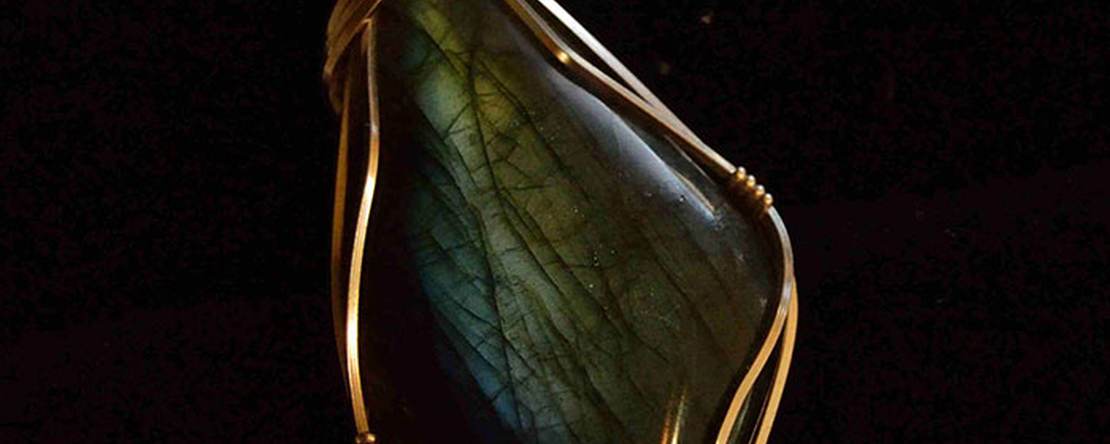
Gemstones, rudraksha beads and yantras are traditional remedial tools in Indian astrology. The market is crowded, and prices vary widely, so this section focuses on what tradition says, how a recommendation is reasoned, and how to buy carefully.
Services
- Gemstone Consultation: includes birthstone and horoscope-based recommendations.
- Rudraksha Consultation
Yantra guidance is covered in a short section on the Rudraksha page until a dedicated page is published.
Our approach
- A recommendation is explained, not just named.
- You are never told a gem is essential, or that harm will follow without it.
- Wearing a gemstone is a belief-based practice. It is not a medical or financial remedy.
Gemstones, rudraksha beads and yantras are three of the most familiar objects in Indian devotional life. They sit in puja rooms, on wrists and fingers, and on office desks across Mumbai and Thane. Yet most people choose them with very little context, relying on a shop assistant, a video or a relative's recommendation. The result is often confusion about what an object is for, how it is meant to be treated, and whether it suits the person wearing or keeping it.
Sansthaan offers a combined consultation in Mumbai, India that brings these three traditions together in one calm conversation. We explain what each object means in Vedic belief, how it is traditionally used, and what questions are worth asking before you buy. Nothing here is promised as a guaranteed outcome. Think of it as informed guidance in the spirit of tradition, offered to those who find these practices meaningful.
Why look at three remedies together
Gemstones, rudraksha and yantras each speak to a different side of Vedic practice. Gemstones are tied to the nine planets and to your birth chart. Rudraksha beads are linked with Lord Shiva and with ideas of calm, focus and discipline. Yantras are sacred geometric diagrams used as a point of focus for worship and meditation, each connected to a particular deity or energy.
Looking at them together helps avoid the common trap of collecting objects without a plan. A person might wear a stone, keep a yantra at home and carry a bead, all chosen from different sources with different instructions. In a combined consultation we review your chart, understand your circumstances and values, and talk through which of these, if any, feels appropriate. Often a single, well-understood choice is better than a handful of unrelated ones.
Kuber yantra and what it represents
Among yantras, the kuber yantra is one of the most searched for in India. Kuber is the deity traditionally described as the keeper of wealth and treasure, and the yantra is a geometric diagram, usually with a grid of numbers, that devotees keep as a focus for prayer in the hope of stability and prosperity. It is often placed in a home shrine, a cash room or a place of business.
We want to be clear and honest about this. In tradition, a kuber yantra is an object of devotion and intention. It is not a financial instrument, and no one can promise income, savings or business results from it. People who keep one generally value it as a reminder of gratitude, discipline and respectful dealing with money, and as part of a regular prayer practice.
During a consultation we explain the symbolism of the yantra, the materials it is traditionally made in, the direction in which it is customarily placed, and the simple customs of worship that families follow. If you are considering a kuber yantra in Mumbai, India, we also help you think about whether it fits your household's practice, so that it does not become just another decorative item.
Gemstones within a chart-based approach
Gemstones are the remedy most closely tied to your individual chart. Traditionally, the gems linked with the planets are considered only after studying how those planets are placed, which houses they influence and what planetary period you are in. Wearing a stone because it is fashionable, or because it matches a friend's, is not how the tradition recommends choosing.
In the session we look at which planets in your chart are traditionally regarded as supportive, which may call for caution, and which stones are commonly worn for each. We discuss quality, weight and settings as well as the customs around first wearing. We also point out when a stone should be approached carefully, since some are described as more demanding than others, and when it may be sensible to simply wait.
If you are searching for gemstone guidance in Mumbai, India, we encourage you to treat the process as a study and not as a purchase. Ask questions, compare opinions, and take as much time as you need before acting.
Rudraksha in everyday practice
Rudraksha beads come from the seeds of a tree sacred in Shaivite tradition, and each bead is classified by the number of natural lines, or mukhis, on its surface. Devotees use them for chanting, for meditation and as a daily reminder of faith. Some wear a single bead, others a mala of many.
The tradition associates different mukhis with different qualities and deities, and there is a long body of custom about stringing, wearing and caring for them. We cover the basics in this consultation, including how to recognise a bead that is natural and well formed, and how beginners often start with a commonly worn type before exploring others.
Rudraksha is first and foremost a devotional object. People who wear it often describe a sense of steadiness, but that is a personal experience and not a medical or guaranteed effect. We encourage a respectful, regular practice rather than expecting dramatic change.
How the chart connects the three
The reason to bring these together is that your birth chart can offer a common thread. Planets that are discussed in the context of a stone also have associated deities, mantras and symbols, and those in turn connect to certain yantras and mukhis. A chart reading allows us to see how these threads relate for you.
For example, a person drawn towards a particular deity may find that the related yantra and mantra deepen their practice more than a stone would. Another person may prefer something wearable and unobtrusive. We do not push one remedy over another. Our task is to lay out the tradition clearly, in plain language, so that you can pick what resonates and discard what does not.
Choosing authentic objects wisely
Whatever you choose, authenticity matters. Natural gemstones can be confused with treated or synthetic ones, and rudraksha beads are sometimes imitated or artificially shaped. A yantra can be printed cheaply or crafted carefully in metal, and its quality of craftsmanship is a matter of choice and budget.
We suggest buying only from sources you trust, asking for clear descriptions and certification where it exists, and never feeling rushed. If something is offered with dramatic promises or pressure to buy immediately, that is usually a sign to step back.
What to expect and how to prepare
Before the session, gather your birth date, time and place, any earlier kundli, and any stones, beads or yantras you already own. Make a short list of what you hope to understand. These details help us focus on what is relevant, rather than reciting general information.
The conversation is relaxed and respectful of your beliefs, whatever your starting point. Both are welcome. Afterwards you are free to take time before deciding anything.
Frequently Asked Questions: Gemstones, Rudraksha and Yantra Consultation in Mumbai, India
A kuber yantra is a sacred diagram dedicated to Kuber, the deity traditionally associated with wealth. Devotees keep it in a home shrine or workplace as a focus for prayer. It is a devotional object, and no financial outcome can be promised from it.
Tradition commonly suggests a clean, respected spot such as a puja area or a cash room, often facing north. Customs differ between families, so we explain what is usually followed and let you decide what suits your home.
No. Many people find that one well-understood choice is enough. The consultation helps you see which of these, if any, appeals to you and fits your chart and your practice.
Tradition looks at your birth chart, including planetary placements and your current period, rather than at your sun sign alone. A consultation walks through that reasoning in plain language so you understand why a stone is or is not suggested.
Mukhi refers to the natural lines on a bead. Each count is traditionally linked with particular deities and qualities. We explain the common ones during the session so you can choose with understanding.
Many people do, and there is no blanket prohibition in popular practice. Because customs vary, we discuss your specific combination and any traditional preferences about the order and manner of wearing them.
No. They are spiritual and cultural practices. For health, legal or money matters, please consult qualified professionals as well.
Look for clear descriptions, reasonable documentation and a seller you can question openly. We share general pointers during the consultation, though we do not endorse specific vendors.
Yes. Bring them along and we will discuss how to care for them respectfully.
If you would like thoughtful, no-pressure guidance on gemstones, rudraksha and a kuber yantra in Mumbai, India, we would be glad to speak with you. Book a consultation with Sansthaan in Mumbai or Thane, and let us help you understand your options before you decide.
Not necessarily. A birthstone is a cultural choice linked to a month or sign, while the Vedic approach looks at the planets in your whole birth chart before suggesting any stone. See our Gemstone Consultation page for the difference.
Services in this section
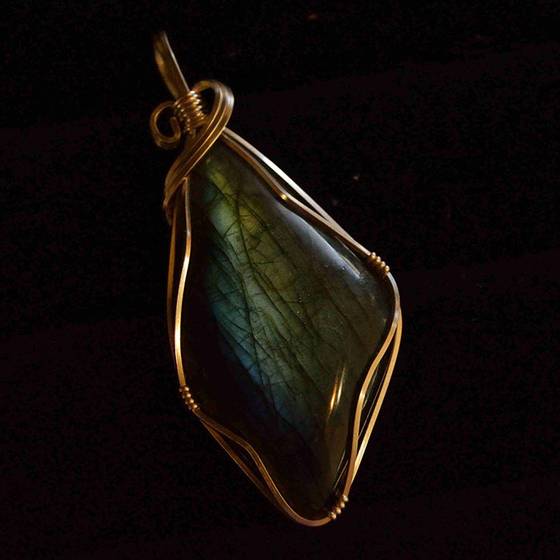
Gemstone Consultation
Understand astrological gemstones and birthstones, how recommendations are reasoned, and how to buy carefully.
Explore Gemstone ConsultationRudraksha Consultation
Understand rudraksha mukhis, traditional associations, authenticity checks and a brief introduction to yantras.
Explore Rudraksha ConsultationMore in Astrology
Astrology is a traditional, belief-based practice. It offers interpretation, not guarantees, and is not a substitute for medical, legal, financial or mental-health advice.
AboutFAQsContactBlogSite MapPrivacy PolicyTerms & ConditionsDisclaimerRefund PolicyCookie PolicyWhatsApp ConsentDo Not Sell My Data
© 2026 Sansthaan. All rights reserved.