
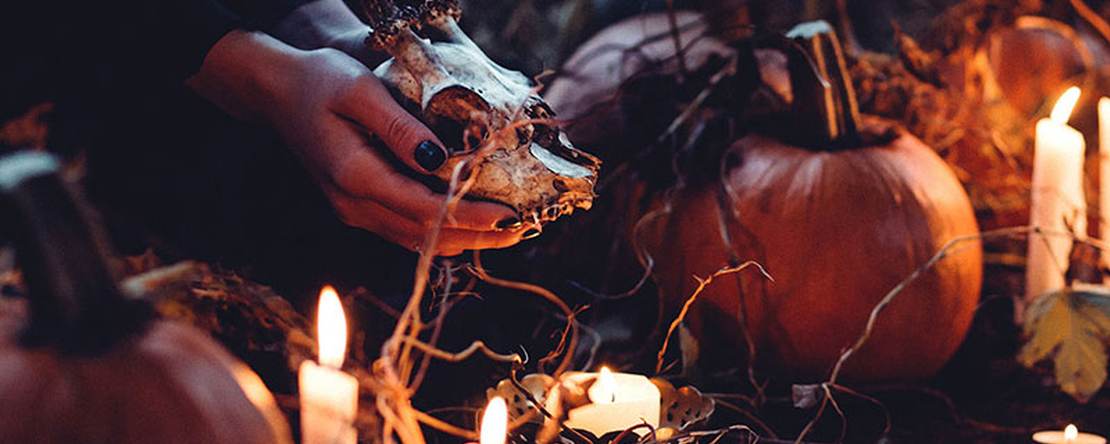
Pujas and mantras are devotional and ritual practices. Some people perform them at festivals and family milestones. Others ask an astrologer which remedies fit a chart. Our role here is to explain, guide and, where arranged, connect you with a qualified priest.
Pujas
- Ganesh Puja
- Satyanarayan Puja
- Lakshmi Puja
- Navagraha Shanti Puja: includes graha shanti rituals.
Remedies
- Vedic Astrology Remedies: mantras, charity, fasting and planetary remedies in one place.
Maha Mrityunjaya Jaap and Rudrabhishek will be added later.
Principles
- Remedies are optional.
- We never use fear to push a ritual.
- Fees are explained up front, before you book.
Pujas and mantras are part of daily and festival life across Mumbai and Thane. A Ganesh puja at home, a Satyanarayan katha after a housewarming, a Lakshmi puja at Diwali: these are family occasions as much as religious ones. At the same time, many people wonder which puja or Vedic remedy is truly appropriate for them, and who to trust to explain it. This page is meant to answer those questions plainly.
Sansthaan treats pujas and remedies as devotional and ritual practice, never as a guarantee of results. Our role is to explain what each puja means, help you understand where astrology fits and, where it is arranged, connect you with a qualified priest. Remedies are always optional, we never use fear to push a ritual, and fees are explained up front. Consultations are held online, by phone or video, in English, Hindi or Marathi.
Pujas, Mantras and Remedies: What Is the Difference
A puja is a ritual act of worship, usually offered to a deity with prayers, offerings and sometimes a priest. A mantra is a sacred sound or verse, recited or chanted, often repeated a set number of times. A remedy, in the language of Vedic astrology, is an upaya, a practice such as mantra, charity or fasting suggested in the context of a birth chart.
The three overlap but are not the same. Many pujas are festival or family occasions with no connection to a chart at all. Others are chosen because a chart discussion suggests a particular graha or deity is worth honouring. Knowing the difference helps you decide what you actually need, if anything. If you are new to all this, you are not alone. Many people grew up watching elders perform rituals without explanation, and it is natural to want to understand before taking part. We are glad to answer simple questions, however basic they may seem.
Ganesh Puja: Beginnings and Auspicious Starts
Lord Ganesh is traditionally worshipped first, before other rituals, as the remover of obstacles. Families perform a Ganesh puja at the start of a new home, a venture, a wedding or any important undertaking, and of course during Ganesh Chaturthi. The puja can be simple or elaborate, depending on the household and the occasion. We explain the usual steps, the offerings customarily used and what the puja is understood to symbolise. A Ganesh puja is an expression of devotion and a good way of marking a beginning. It does not guarantee that obstacles will disappear, and we describe it honestly in that spirit.
Preparations commonly include a clean space, an idol or picture of Ganesh, modak or other sweets, flowers and a lamp. We explain these so that the puja feels familiar and unhurried at home, whether a priest is present or the family performs it themselves. Families who are performing one for the first time often find it helpful to hear the sequence once beforehand.
Satyanarayan Puja for Family Milestones
Satyanarayan Puja is dedicated to Lord Vishnu in his form as Satyanarayan and is widely performed in Maharashtra and across India. Many families hold it after a housewarming, a wedding, a new job or simply on a full moon day, followed by prasad shared with relatives and neighbours. It is a gentle, community-minded puja, and it is usually done at home. We can explain the katha, the preparations and the customs families commonly follow, which vary by region and household. There is no need for any astrological reason. It is perfectly appropriate to hold it simply out of gratitude.
Lakshmi Puja and Prosperity Customs
Lakshmi Puja honours the goddess of wealth and wellbeing and is most closely associated with Diwali, when homes and businesses are cleaned, lit and decorated. Many traders also worship their account books at this time. Others hold the puja on Fridays or at the beginning of a financial year. In tradition, it is an act of gratitude and respectful dealing with money, not a financial instrument. No puja can promise income, savings or business growth, and we say so plainly. We explain the customs, the preparations and the symbolism, and help you decide how simple or elaborate to keep it.
Navagraha Shanti Puja and Graha Shanti
Navagraha Shanti Puja is a worship of the nine grahas, the Sun, Moon, Mars, Mercury, Jupiter, Venus, Saturn, Rahu and Ketu. It includes graha shanti rituals, which are traditionally performed to seek balance and calm in planetary periods that feel demanding. Families sometimes arrange it after a chart discussion, or at a milestone. We explain what the puja involves and why it is chosen, and we note that opinions differ on when it is needed. It is an optional devotional act. We would never say that it is essential or that a chart problem will go away because of it. Some people find it meaningful, and others choose a simpler practice.
Mantras associated with each graha are recited a customary number of times on a day linked to that planet, and some people prefer a shorter, regular practice instead. Both approaches exist in tradition, and we explain them without insisting on either.
Vedic Astrology Remedies: Mantra, Charity and Fasting
Vedic Astrology Remedies brings together mantras, charity, fasting and planetary remedies in one place. Traditionally, remedies are suggested after studying a chart, and the gentlest ones come first: a mantra recited regularly, a small act of giving on a particular weekday, or a simple fast kept with sincerity. Objects such as gemstones are considered more carefully and are never mandatory. If you are curious about remedies connected to your own chart, that page explains how we approach them. A chart reading, such as a Vedic astrology consultation, is usually the best place to begin, so that any suggestion is based on your own details and not on a general list.
We also stress that a remedy never asks you to spend beyond your means. Charity, a fast or a daily mantra costs little, and if anyone tells you that a remedy must be expensive to work, please step back and ask questions. We also describe how each is customarily done, so that nothing feels mysterious or demanding.
Maha Mrityunjaya Jaap and Rudrabhishek
Some visitors ask about Maha Mrityunjaya Jaap, the chanting of a well-known mantra to Lord Shiva, and Rudrabhishek, a ritual bathing of the Shivalinga with sacred offerings. We will be adding pages on both later, and we prefer to wait until we can explain them properly. In the meantime, we suggest approaching any ritual connected with health, fear or difficulty with particular care. Such practices are devotional and do not replace medical treatment. If someone in your family is unwell, please follow a doctor's advice first and let prayer be a source of comfort alongside it.
Doing a Puja in Your Flat
Most pujas can be performed in an apartment with simple arrangements: a clean, quiet corner, a small altar, a lamp, flowers and the usual offerings. Many Mumbai and Thane families do exactly this, and it is neither unusual nor inappropriate. Please check your society's rules on fire, smoke and noise before arranging a havan or a large gathering, and consider neighbours' comfort, especially for loud chanting late in the evening. A diya or incense in a ventilated space is usually fine. A priest can advise on safe alternatives if a full havan is not practical in your building.
If you live in a rented flat or a small apartment, a modest puja with a few family members is just as valid as a larger gathering. The sincerity of the offering matters more than the scale of the arrangements. Small, safe and sincere is a good rule for any home puja.
How We Work: Fees, Priests and Pressure-Free Guidance
Where a puja is arranged, we explain what it involves, who will perform it and what the fees are before you book. We aim to connect you with a qualified priest and to keep everything transparent. We do not push expensive rituals, and we do not use fear, deadlines or dramatic warnings to encourage a decision. You do not need an astrologer to decide on a puja, and you do not need to do anything at all. If it helps to talk it through, we hold consultations by phone or video, in English, Hindi or Marathi, for people in Mumbai, Thane and the suburbs. You decide what is right for your family.
Frequently Asked Questions: Puja, Mantra and Vedic Remedies in Mumbai and Thane
No. Many pujas are festival or family occasions, such as Ganesh Chaturthi or a housewarming. An astrologer may help if you wish to connect a puja or remedy to your chart, but it is entirely optional. Simple answers are always welcome here.
Usually yes, with simple arrangements such as a clean corner, a lamp, flowers and offerings. Please check your society's rules on fire, smoke and noise, especially for a havan, and be mindful of neighbours. The aim is calm, not complexity.
No. Remedies are optional, and we never use fear to push a ritual. We explain what the tradition suggests and you decide whether any of it suits you and your family. We keep every explanation short and clear.
A puja is a ritual act of worship, often a festival or family occasion. A remedy, or upaya, is a practice such as mantra, charity or fasting suggested in the context of a chart. They can overlap but are not the same. We are happy to explain either one. The line between them is often blurred.
Ganesh Puja, Satyanarayan Puja, Lakshmi Puja and Navagraha Shanti Puja, along with Vedic Astrology Remedies. Maha Mrityunjaya Jaap and Rudrabhishek will be added later. We can explain each in plain language. We keep every description plain.
No. Pujas and mantras are devotional practices. Many people find them meaningful and steadying, but no one can promise a particular outcome, and we avoid any such claims. That is the honest position of the tradition.
Fees are explained up front, before you book. We do not push costly rituals, and you are free to ask questions and take time before deciding on anything. Nothing is pressed on you. Nothing is added later.
Where a puja is arranged, we can connect you with a qualified priest. We explain what the puja involves and what it costs before you confirm, so that there are no surprises. The priest and the details are shared in advance.
No. It is an optional devotional worship of the nine grahas, sometimes chosen after a chart discussion. Opinions differ on when it is needed, and we never present it as essential.
Never. Pujas and remedies are traditional devotional practice, not a substitute for medical, legal, financial or mental-health advice. Please seek qualified professional help for such matters and let prayer sit alongside it. Mental-health concerns also deserve professional support. Please let prayer be a support, not a replacement.
Services in this section
Navagraha Shanti Puja
What Navagraha Shanti Puja is, the nine planets worshipped, how it is performed and what to prepare.
Explore Navagraha Shanti PujaGanesh Puja
What Ganesh puja involves, when it is performed, simple steps for Mumbai and Thane homes and how to plan around society rules.
Explore Ganesh PujaSatyanarayan Puja
What Satyanarayan puja is, the katha, how it is performed and how to plan it for a new home, a business or a family occasion.
Explore Satyanarayan PujaLakshmi Puja
What Lakshmi puja is, when it is done on Diwali, simple steps for home and shop, and notes for business families in Mumbai and Thane.
Explore Lakshmi PujaVedic Astrology Remedies
An honest guide to traditional astrological remedies: mantras, charity, fasting, worship and lifestyle.
Explore Vedic Astrology RemediesMore guides

Pandit in Mumbai and Thane
Looking for a pandit in Mumbai or Thane? Learn how Pandit Ji, Purohit, Pujari and Guruji differ, and how to choose a family priest with.
Explore Pandit in Mumbai and Thane
Havan, Homam and Yagya in Mumbai and Thane
Understand havan, homam and yagya, Rudrabhishek, Mahamrityunjay jaap and Chandi Path, and how to plan a safe home havan in Mumbai or Thane..
Explore Havan, Homam and Yagya in Mumbai and ThaneSanskar Ceremonies in Mumbai and Thane
A plain guide to sanskar ceremonies in Mumbai and Thane: Namkaran, Mundan, Upanayan, Vivah, Bhumi Pujan, office puja and Kumbh Vivah, with.
Explore Sanskar Ceremonies in Mumbai and Thane
Pitra Shraddha and Pind Daan in Mumbai and Thane
Gentle guidance on Pitra Shraddha, Pind Daan, Tarpan and Pitru Paksha rites, including Gaya, Kashi and Trimbakeshwar, for families in.
Explore Pitra Shraddha and Pind Daan in Mumbai and ThaneSpeak with Sansthaan About Pujas and Remedies
If you are unsure which puja or remedy, if any, is right for you, we are happy to talk it through. We will explain the options plainly, share fees before you book and leave the decision to you. There is no pressure at any point.
More in Puja
Astrology is a traditional, belief-based practice. It offers interpretation, not guarantees, and is not a substitute for medical, legal, financial or mental-health advice.
AboutFAQsContactBlogSite MapPrivacy PolicyTerms & ConditionsDisclaimerRefund PolicyCookie PolicyWhatsApp ConsentDo Not Sell My Data
© 2026 Sansthaan. All rights reserved.