
Rudraksha beads come from the seed of the Elaeocarpus ganitrus tree and are traditionally associated with Lord Shiva. They are worn for devotion and spiritual practice. Different "mukhis" (faces or lines) are linked in tradition with different deities or planets.
Who it is for
People who want to wear rudraksha for devotion or tradition and want to understand the options.
What the consultation covers
- The meaning of common mukhis and their traditional associations
- Which planet or deity each is connected with in tradition
- A suggestion for your chart or intention, and alternatives
- How to wear, care for and respect the bead
Buying guidance
- Rudraksha is widely imitated and often priced at a premium. Ask where the bead comes from.
- Beads can be dyed, glued or artificially altered. Compare sources and be wary of extreme claims.
- You are free to buy anywhere.
A short note on yantras
A yantra is a geometric diagram used in worship and meditation, such as the Shri Yantra. Traditions treat it as a devotional focus. We can explain the meaning and proper use. We do not claim that yantras produce measurable results. A dedicated page may be added later.
What to provide
Birth details if chart-based, or your intention, such as devotion or meditation.
Limitations
Rudraksha is a spiritual and traditional item. It has no proven effect on health or finances. It does not replace treatment or professional advice.
Rudraksha beads have been part of Indian spiritual life for centuries. Sages, householders and seekers have strung them into malas, worn them close to the body and used them during prayer and meditation. Today the questions people bring to us are practical: which bead is right for me, how many faces should it have, and how do I know the bead in my hand is genuine? A Rudraksha Consultation at Sansthaan is designed to answer those questions calmly and without pressure.
Everything described here is traditional belief, passed down through scriptural references and family practice. We do not promise results, and rudraksha is never a substitute for professional medical, legal or financial advice. If you are looking for rudraksha guidance in Mumbai, India, or anywhere across Thane, this article explains how we approach it.
Understanding Rudraksha Types and Mukhi
The word mukhi simply means face, and it refers to the natural lines running from the top of the bead to its base. When people search for rudraksha types, they are usually looking at this count of faces, which traditionally ranges from one to twenty-one and beyond. Each count is associated in tradition with a particular deity, planet or quality, and that association shapes how a bead is chosen.
Size, clarity of lines and evenness of shape also matter in selection. Tradition treats rudraksha as an aid to devotion rather than a quick fix, so choosing a type is less about chasing a promise and more about finding what suits your faith, routine and temperament.
1 to 5 Mukhi Rudraksha in Traditional Belief
The 1 mukhi rudraksha power is described in tradition as the most revered and the rarest, linked with Lord Shiva and with ideas of oneness and spiritual absorption. Because genuine one-faced beads are scarce, authenticity checks matter most here, and we always encourage patience and verification before any purchase.
The 3 mukhi rudraksha power is traditionally associated with Agni, the fire principle, and is spoken of as a bead of purification and letting go of heaviness of mind. The 4 mukhi rudraksha power is linked with Brahma and is associated with learning, speech and creativity, which is why students and writers sometimes feel drawn to it.
Then there is the five-faced bead, by far the most common. The 5 mukhi rudraksha power is the subject of the most searches, and for good reason: it is considered the classic bead of Shiva, associated with calm and prayer in traditional belief. Because it is widely available and approachable, many first-time wearers begin here, and many practitioners keep a five-mukhi mala for daily chanting throughout their lives.
6 to 9 Mukhi Rudraksha and Their Associations
The 6 mukhi rudraksha power is traditionally connected with Kartikeya, the commander of the divine army, and is associated with discipline and steady application. No bead replaces effort.
The 7 mukhi rudraksha power is linked in tradition with Goddess Lakshmi and with Saturn, and is spoken of as a bead of grounded patience. When tradition mentions prosperity, we treat it as a symbolic association and not a financial assurance of any kind.
The 9 mukhi rudraksha power is associated with Goddess Durga and with Ketu, and traditional texts describe it as a bead of fearlessness and protection. These beads are among the most frequently asked about in our consultations in Mumbai, India, and we take time to explain what each one stands for before you decide.
11, 12 and 13 Mukhi Rudraksha
Larger face counts are less common and usually chosen with more deliberation. The 11 face rudraksha benefits, as described in tradition, are linked with Hanuman and Rudra and are associated with courage and devotion.
The 12 face rudraksha benefits are traditionally connected with Surya, the sun, and are associated with leadership and clarity. The 13 mukhi rudraksha effects are linked in tradition with Kamadeva and are associated with charm and refinement. These are symbolic descriptions from the tradition, and we make no claims about relationships, fertility or any specific life outcome. Rare, large-faced beads are sometimes imitated, so verification before purchase is strongly advised.
Rudraksha Benefits and Uses of Wearing Rudraksha
People often ask about rudraksha benefits and the uses of wearing rudraksha in the same breath. Within tradition, the stated purposes are spiritual: support for meditation, a sense of calm and protection, a reminder of devotional commitments, and a physical anchor for mindfulness.
We do not make health claims, and anyone with a medical concern should speak to a qualified doctor. Where families tell us a bead has made them feel steadier, we regard that as personal experience, not something we can promise. Rudraksha mala uses follow the same spirit. A mala of 108 beads plus the central bead is traditionally used for japa, letting the practitioner count mantra repetitions without distraction, while others wear a mala as a devotional ornament.
Wearing Rudraksha Rules and Authenticity Checks
Wearing rudraksha rules vary slightly between lineages, but a few themes are shared. Traditionally the bead is cleaned gently, offered a moment of prayer or a mantra such as Om Namah Shivaya, and then worn with respect. We share common customs and encourage you to follow your own family tradition where one exists.
Authenticity deserves its own conversation. Genuine rudraksha seeds are natural, so slight irregularity is normal, and the lines should be real grooves rather than shallow cuts added later. Weight, density and an even surface texture are worth observing, and a trustworthy seller will answer questions openly. Be cautious of extraordinary claims or pressure to decide quickly, and rather than relying on single tricks such as float-or-sink tests, look at the bead as a whole and seek an experienced opinion.
How a Rudraksha Consultation Works at Sansthaan
A consultation begins with listening. We ask about your spiritual practice, your reasons for considering a bead and any family customs that matter to you. If you wish, we also look at your horoscope, since traditional astrology links certain beads with certain planets, and we explain those links as tradition rather than certainty.
We then talk through suitable mukhi options, the difference between a single bead and a mala, and how to care for what you choose. For many visitors in Mumbai, India, the relief is simply having a patient person explain things honestly.
Frequently Asked Questions: Rudraksha Consultation in Mumbai, India
Rudraksha types are traditionally classified by the number of natural faces, or mukhis, commonly from one to twenty-one. Each is linked in belief with a deity or planet. We explain these associations so you can choose what fits your practice.
The five-faced bead is the most widely used and easiest to find. Tradition associates it with Shiva, calm and prayer, which makes it a gentle starting point for beginners.
Genuine one-faced beads are considered very scarce, and tradition holds them in high esteem. Because of that scarcity, imitations exist, so careful verification matters. We never promise specific outcomes from it.
In tradition, the 3 mukhi rudraksha power is linked with Agni and purification, the 4 mukhi with Brahma and learning, and the 6 mukhi with Kartikeya and discipline. These are symbolic associations, not guarantees.
The 7 mukhi is associated with Lakshmi and Saturn, and the 9 mukhi with Durga and Ketu. Both are traditional descriptions of qualities such as patience and fearlessness, not promises of results.
The 11 face rudraksha benefits are linked with courage, the 12 face with leadership and clarity, and the 13 mukhi rudraksha effects with charm and refinement. These are traditional symbolic meanings only.
The uses of wearing rudraksha are traditionally spiritual, such as supporting meditation and devotion. We make no medical claims, and anyone with a health concern should consult a qualified doctor.
Commonly, the bead is cleaned, offered a short prayer or mantra and worn respectfully. Customs differ between families, so we share general practice and encourage you to honour your own lineage.
A mala is mainly used for counting mantra repetitions, while a single bead is usually worn as a pendant. The right choice depends on whether you prioritise chanting, wearing or both.
Look at the bead as a whole, including natural grooves, weight, texture and the seller's openness. Avoid pressure and extravagant claims, and seek an experienced opinion before buying.
If you would like patient, honest guidance on choosing, verifying or wearing rudraksha, we would be glad to help. Sansthaan serves families across Mumbai and Thane, and a Rudraksha Consultation is a good place to start whether you are buying your first bead or building a mala for daily practice. Reach out to arrange a visit, and let us walk through your questions together at an unhurried pace. If you are searching for rudraksha guidance in Mumbai, India, we are here to help.
Related Services
Gemstone Consultation
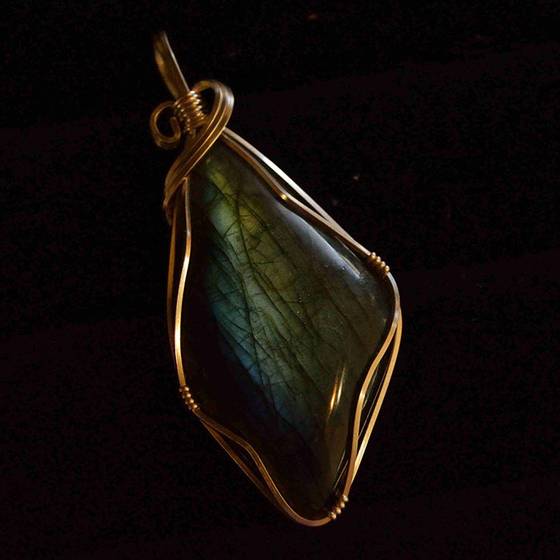
Understand astrological gemstones and birthstones, how recommendations are reasoned, and how to buy carefully.
Explore Gemstone Consultation
Puja and Remedies
Guidance on Ganesh, Satyanarayan, Lakshmi and Navagraha Shanti pujas and on Vedic remedies.
Explore Puja and RemediesMore in Astrology
Astrology is a traditional, belief-based practice. It offers interpretation, not guarantees, and is not a substitute for medical, legal, financial or mental-health advice.
AboutFAQsContactBlogSite MapPrivacy PolicyTerms & ConditionsDisclaimerRefund PolicyCookie PolicyWhatsApp ConsentDo Not Sell My Data
© 2026 Sansthaan. All rights reserved.