
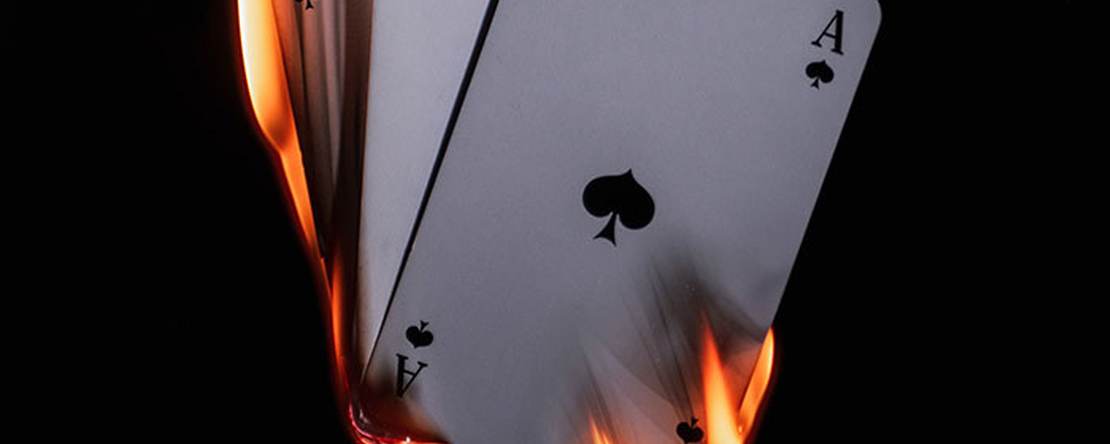
Tarot is a deck of 78 cards used for reflection. A reader draws cards in a spread and interprets their symbols in relation to your question. This page also covers angel and oracle card readings, which use different decks with a gentler, message-style approach.
Who it is for
People facing a decision who want a structured way to think, and those who enjoy symbolism as a tool for reflection.
How a reading works
- The 78 cards are divided into the Major Arcana (22 cards on life themes) and the Minor Arcana (56 cards in four suits).
- You frame a question, such as "What should I consider about this job change?"
- The reader lays out a spread and interprets the cards in context.
- Angel and oracle cards give short guidance messages. They are used when you prefer reflection to analysis.
How to prepare
- Write an open question. "What do I need to understand about…?" works better than "Will he…?"
- Be ready to talk, not just listen.
What you receive
A verbal reading.
Limitations
Tarot is not a fortune-telling certainty and has no proven predictive power. Readers interpret differently. It is not therapy or medical advice. We do not read for questions about a third party's private thoughts, or about illness, death or lottery numbers.
Tarot attracts curiosity in Mumbai and Thane for many reasons. Some people are standing at a crossroads and want a structured way to think. Others simply enjoy the imagery and the quiet that comes with turning over a card. A tarot card reading online can offer both: a calm conversation in which the cards act as prompts, not as pronouncements. Whether you are new to the cards or have used them for years, the aim is the same: a quiet space for thinking.
At Sansthaan we approach tarot as a tool for reflection. This page explains how a reading works, what the Major and Minor Arcana are, how angel and oracle cards differ, and how to prepare a good question. We are also clear about limits. Tarot has no proven predictive power, and a reading is guidance and reflection, never a guarantee about your future. Readings are held online by phone or video, in English, Hindi or Marathi, for people in Mumbai, Thane and the suburbs.
What Tarot Is and Where It Comes From
A tarot deck has 78 cards, each with its own image and traditional meaning. The deck is believed to have begun in Europe as a card game before being adopted for symbolic and reflective use. It is therefore a Western-origin practice and is quite separate from Hindu or Vedic astrology, which reads the positions of the planets.
That difference matters in practice. A Vedic reading starts from your birth chart. A tarot reading starts from a question and a spread of cards. Some people use both for different purposes, but they follow different logic and should not be mixed up or expected to agree with each other.
Because tarot sits outside the Vedic framework, we do not use it to comment on planetary periods, doshas or muhurat. If those are your questions, a chart-based consultation is more appropriate, and we are glad to point you towards it rather than stretch the cards beyond what they can reasonably offer.
Major Arcana and Minor Arcana
The deck is divided into two parts. The Major Arcana has 22 cards that carry large life themes, such as the Fool, the Lovers, the Wheel of Fortune and the Tower. When several of these appear in a spread, readers often take it as a sign that the question touches something significant.
The Minor Arcana has 56 cards in four suits, usually called Wands, Cups, Swords and Pentacles, each with ranks from Ace to Ten and four court cards. They tend to speak of everyday matters such as work, feelings, thoughts and practical resources. A reader weighs both groups together, along with the position of each card in the spread.
How an Online Tarot Reading Works
You begin by framing a question, for example what you should consider about a job change. The reader then lays out a spread, which is a pattern in which each position stands for something specific, such as the situation, the challenge or a possible direction. The cards are interpreted in relation to your question and in conversation with you.
Online, this happens by phone or video, in English, Hindi or Marathi, with the reader describing each card and what it may suggest. You are encouraged to respond, because your own sense of what fits is the most useful part. The reading is verbal, and nothing in it is fixed or final.
Spreads range from a single card to a handful. A simple three-card layout might look at the situation, the challenge and a possible way forward, while a longer layout might look at a decision from several sides. We choose one that fits your question and explain the meaning of each position as we go.
Angel Cards and Oracle Cards
Angel and oracle decks work differently from tarot. They do not have a fixed structure of 78 cards, and each deck has its own themes and wording. Most carry short, gentle messages and images, and are drawn one or a few at a time.
People often choose them when they would like reflection rather than analysis, for example during a quiet period or after a difficult week. The messages are meant as encouragement and prompts for thought, not as instructions. If you are not sure which style suits you, mention it when you contact us and we can discuss it.
Some readers combine the two, using a tarot spread to explore a question and an oracle card at the end for a closing thought. We are happy to do so if you like, and to keep the whole reading simple if you prefer. There is no right or wrong way to receive the cards.
How to Prepare a Good Tarot Question
Open questions work best. Something like what do I need to understand about this decision gives the cards room to speak, whereas a question that begins with will he or will it happen tends to push for a yes or no that tarot cannot honestly give. Try to focus on your own choices, feelings and options.
It also helps to come ready to talk rather than just listen. A few minutes of background about the situation lets the reader tie the cards to your real circumstances. Choose a quiet spot, keep a notebook nearby, and be ready to note any thought that strikes you during the reading.
Tarot Reading for Love, Career and Everyday Decisions
People most often bring questions about relationships, work, study and major personal choices. You are welcome to ask about love, framed around your own feelings and choices. For chart-based guidance on relationships, compatibility and timing, see Love and Relationship Astrology, which uses the Vedic kundli.
For career or education, tarot can help you list what matters to you before a decision, which is often half the task. If you would like timing guidance drawn from your birth chart, our astrology consultation is the more suitable format. Tarot is best used as a lens for thinking, not as a decision-maker.
Some clients ask whether tarot can say how another person feels. We gently decline such questions, because the cards cannot know what is in someone else's mind, and guessing would not be fair to them or to you. We can look instead at what you feel, what you want and what you could do next.
Whichever topic you choose, we begin by agreeing what you hope to take away, so the reading stays focused and useful.
What Tarot Cannot Do
Tarot is not fortune-telling with certainty, and it has no proven predictive power. Different readers interpret the same card in different ways, so two readings of the same spread may not match. Please treat any reading as one perspective among several.
It is not therapy, and it is not medical, legal or financial advice. We do not read about a third party's private thoughts, nor about illness, death or lottery numbers. If you are going through a hard time, please speak with a qualified counsellor or doctor as well.
Tarot and Spiritual Guidance Together
Some people find that a tarot reading naturally opens into a longer conversation about how they feel and what to do next. Our Spiritual Guidance sessions are built for that. They are reflective conversations in which tarot may be used as a structured prompt, along with optional ideas such as journaling, breathwork or mantra.
Tarot readings are held online for people in Mumbai, Thane and the suburbs, and for those abroad. There is no pressure to continue after a first session, and nothing needs to be purchased. Our aim is a quiet, respectful hour in which you feel a little clearer than when you began.
Reversed Cards, Symbolism and Why Readers Differ
Readers differ on details such as reversed cards, which some read as a weakened or inward form of the meaning and others do not use at all. The imagery also varies between decks. Because so much rests on interpretation, two sincere readers can give different accounts of the same spread.
That variation is one reason we describe tarot as a tool for reflection and not a source of facts. The most reliable test of a reading is whether it helps you think more clearly. If a card does not ring true for you, you are free to set it aside, and we will not insist on it.
Frequently Asked Questions: Tarot Card Reading Online in Mumbai, India
No. Tarot is a separate, Western-origin practice based on a deck of 78 cards. Hindu or Vedic astrology reads planetary positions from a birth chart. We keep the two distinct, and a tarot reading does not need your birth details.
It can suggest themes to reflect on, not facts. Tarot has no proven predictive power, and readers interpret cards differently. We use it as a prompt for thinking about your choices, never as a guarantee of what will happen.
Yes. You are welcome to ask about relationships, framed around your own feelings and choices. We do not read a third party's private thoughts. See also Love and Relationship Astrology for chart-based guidance on compatibility and timing.
Tarot has a fixed 78-card structure split into Major and Minor Arcana. Oracle and angel decks vary by deck, usually carry short messages and are gentler in style. Many people choose them when they want reflection rather than analysis.
The Major Arcana is 22 cards of large life themes. The Minor Arcana is 56 cards in four suits, covering everyday matters such as work, emotions, thoughts and resources. A reader interprets both together within the spread.
Use an open question such as what do I need to understand about this decision. Avoid will he or will it happen, which push for a yes or no. Focus on your own options, feelings and choices.
No. Tarot works from your question and the cards, not from a birth chart. If you would like timing guidance from your kundli, that is a separate astrology consultation, which does need your date, time and place of birth.
Yes. Readings are held online by phone or video, in English, Hindi or Marathi, for people in Mumbai, Thane and the suburbs and for those abroad. The reading is verbal, and you can ask the reader to slow down or repeat anything.
We do not read about a third party's private thoughts, nor about illness, death or lottery numbers. Tarot is also not therapy or medical, legal or financial advice, and we would encourage you to seek qualified help for those matters.
It can help you clarify what matters and consider options you may have overlooked. The decision itself remains yours. Tarot is a structured way to reflect, not a tool that decides for you, and it carries no guarantee.
Related Services
Spiritual Guidance and Tarot
Reflective spiritual guidance and tarot readings for clarity in life decisions.
Explore Spiritual Guidance and Tarot
Astrology Consultation
Understand Vedic and KP astrology and choose the right consultation.
Explore Astrology ConsultationSpeak with Sansthaan
If you would like a quiet, structured way to think through a question, we would be glad to hold a tarot, angel or oracle card reading with you online. Reach out from Mumbai, Thane or anywhere else, and we will find a time that suits you. There is no pressure and no obligation.
More in Spiritual
Astrology is a traditional, belief-based practice. It offers interpretation, not guarantees, and is not a substitute for medical, legal, financial or mental-health advice.
AboutFAQsContactBlogSite MapPrivacy PolicyTerms & ConditionsDisclaimerRefund PolicyCookie PolicyWhatsApp ConsentDo Not Sell My Data
© 2026 Sansthaan. All rights reserved.